Why Nusa Penida Is Drawing Global Investors
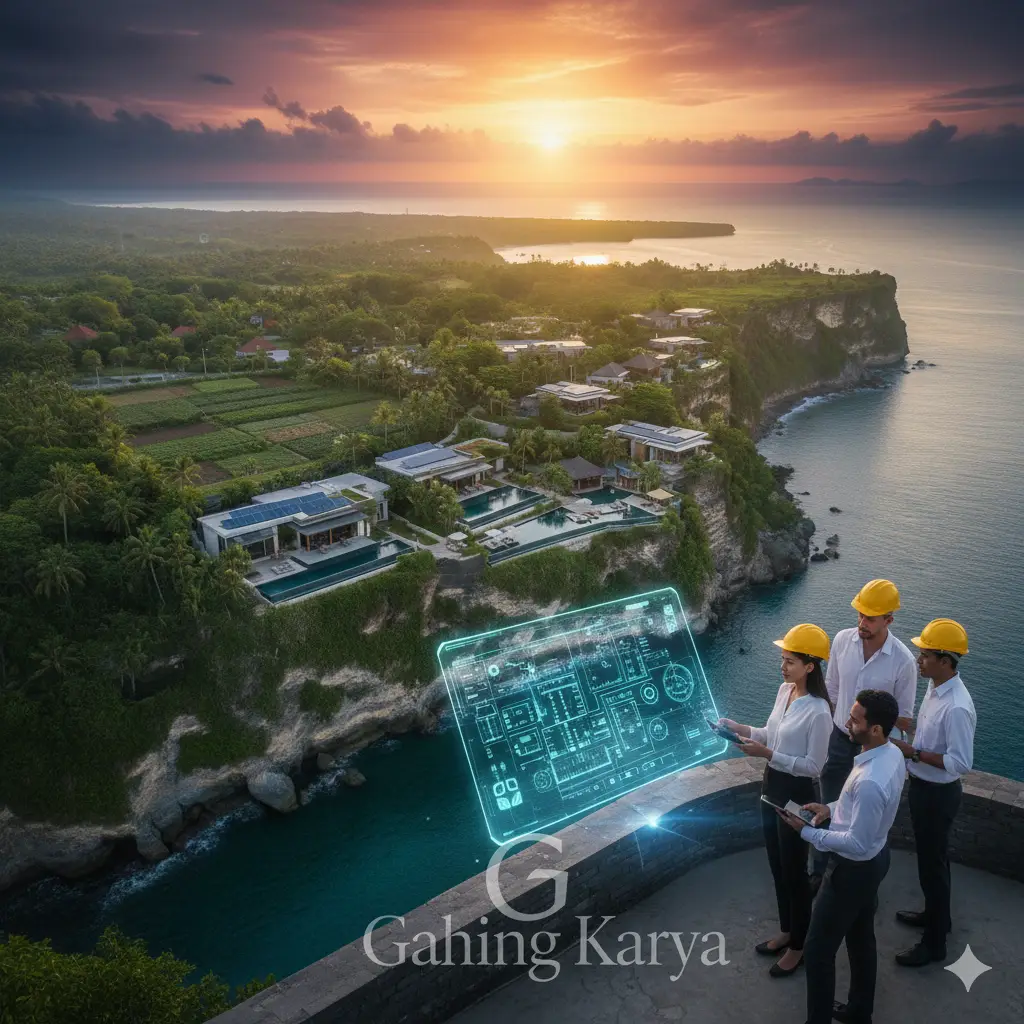
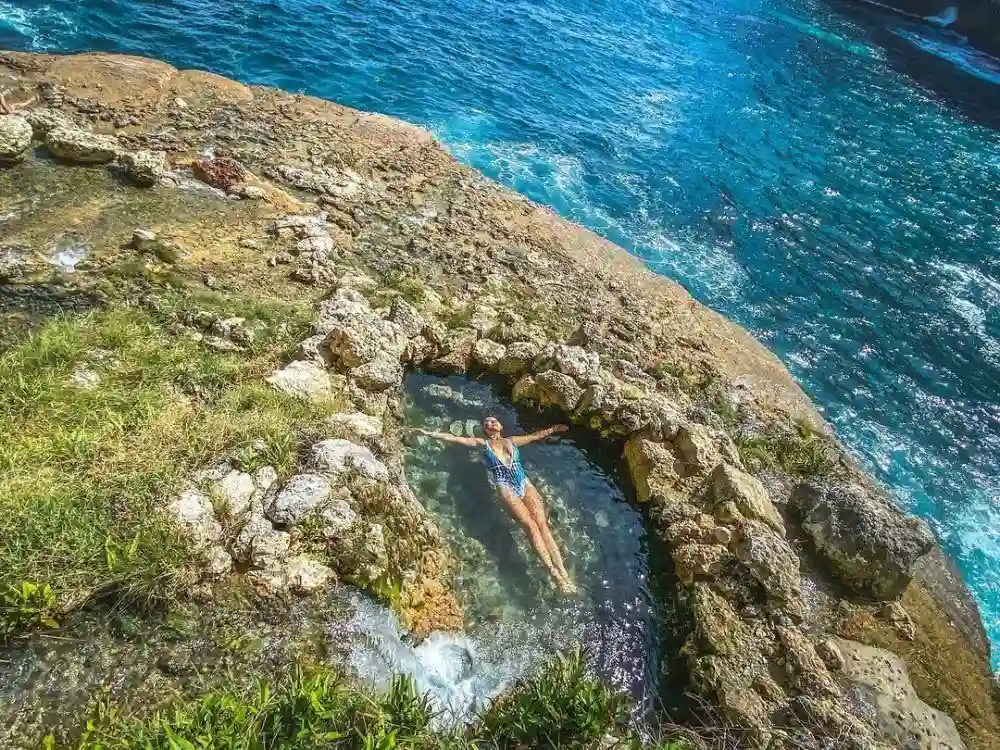
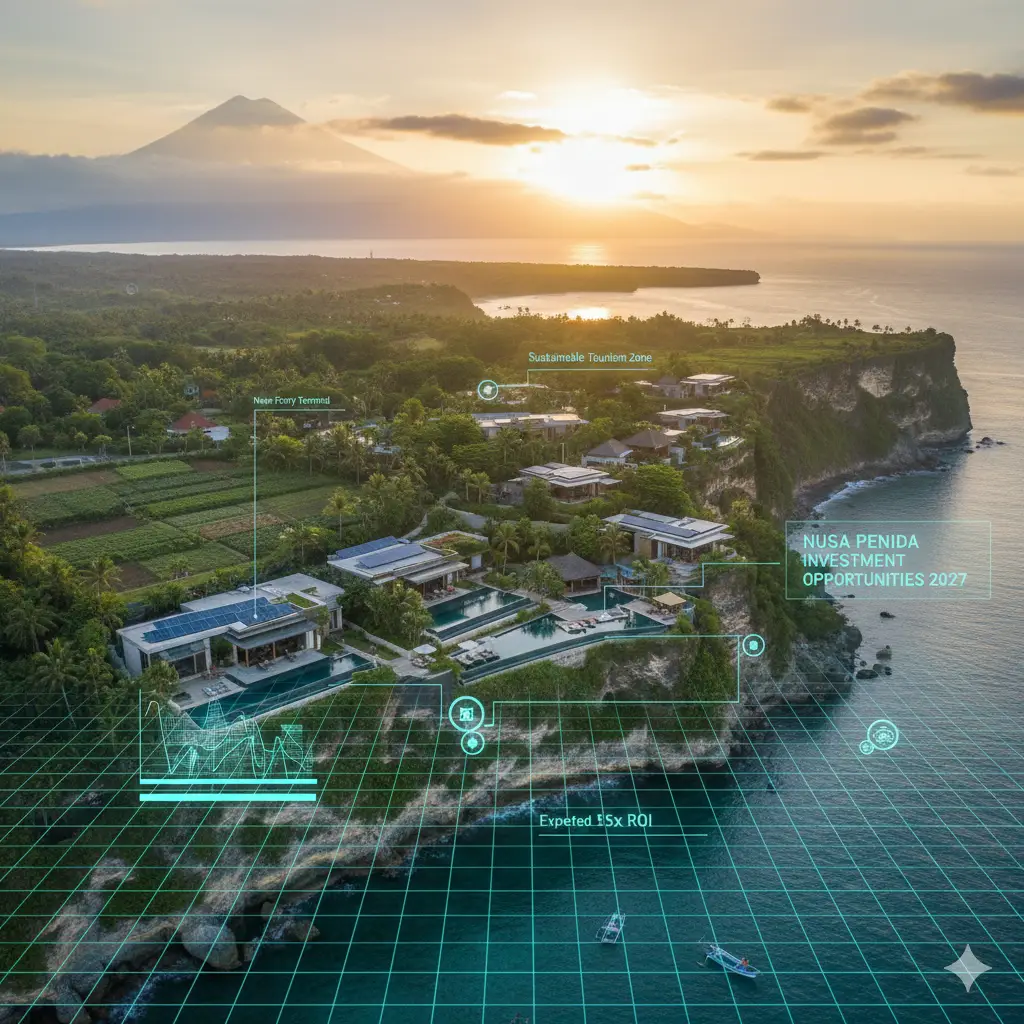
Once considered Bali’s quiet offshore neighbor, Nusa Penida has rapidly evolved into one of Indonesia’s most promising investment destinations. With stunning coastal cliffs, pristine waters, and growing eco-tourism infrastructure, it’s now attracting foreign investors seeking beachfront villas, boutique resorts, and sustainable developments.
However, unlike other global markets, Indonesia has specific regulations that restrict direct land ownership by foreigners. Understanding the correct structure to invest legally — and safely — is key to success.
This guide will explain exactly how foreign investors can buy, lease, or develop land in Nusa Penida, including the available ownership types, company structures, legal considerations, and real-world tips from local experience.
Understanding Indonesian Land Ownership Basics
Before making any land purchase in Indonesia — whether in Nusa Penida, Bali, or Lombok — it’s essential to understand the four main land title types:
- Hak Milik (Freehold Title)
- The strongest and most permanent ownership right.
- Only Indonesian citizens can hold Hak Milik.
- Foreigners are not eligible for this title directly.
- Hak Guna Bangunan (HGB / Right to Build)
- Allows the holder to build and own structures on land for a set period (usually 30 years, extendable to 80 years).
- Can be held by foreign-owned companies (PT PMA).
- Ideal for villa or resort development projects.
- Hak Pakai (Right of Use)
- Allows foreigners to use and occupy land (including residential use).
- Suitable for long-term villa ownership under personal foreign names, with certain conditions.
- Hak Sewa (Leasehold)
- Common and straightforward structure for foreign individuals.
- You lease land from an Indonesian owner for a fixed term (typically 25–30 years) and can extend by agreement.
Understanding these structures helps determine which path fits your investment goals — whether you’re planning a holiday villa, rental business, or resort development.
Option 1: Buying Through a Leasehold Agreement
The leasehold (Hak Sewa) structure is the most common and practical way for foreigners to invest in land in Nusa Penida.
🔹 Key Features:
- Legal and widely accepted in Indonesia.
- The foreign investor leases land from a local owner for 25–30 years.
- Lease terms can include extension clauses for up to 70–80 years in total.
- The land remains under Indonesian ownership, but you own all buildings and improvements.
🔹 Advantages:
- Simpler and faster process.
- Lower legal complexity than company setup.
- Full operational control during the lease term.
🔹 Important Legal Notes:
- Ensure the agreement is drafted by a licensed notary (PPAT) and registered properly.
- Clearly define extension terms, transfer rights, and compensation clauses.
- Avoid informal contracts or “nominee” ownership — these can cause serious legal issues later.
🔹 Ideal For:
- Private villas or boutique accommodations.
- Short-to-mid-term investors seeking operational ROI.
Option 2: Setting Up a PT PMA (Foreign-Owned Company)
For investors planning larger projects — such as villas, resorts, or commercial developments — establishing a PT PMA (Perseroan Terbatas Penanaman Modal Asing) is the recommended route.
🔹 What Is a PT PMA?
A PT PMA is a limited liability company legally recognized as foreign-owned under Indonesian law.
It allows you to:
- Own land under Hak Guna Bangunan (HGB) title.
- Operate commercial activities such as rentals, construction, or hospitality.
- Hire foreign and local staff legally.
🔹 Key Requirements:
- Minimum paid-up capital: IDR 10 billion (approx. USD 630,000) depending on business type.
- Indonesian business license and approval from BKPM (Investment Coordinating Board).
- Must operate a legitimate business entity (e.g., tourism accommodation, real estate development).
🔹 Advantages:
- Long-term security and full control.
- Ability to scale into multiple projects or developments.
- Legal ownership of buildings and operational licenses.
🔹 Considerations:
- More administrative requirements.
- Higher setup and annual maintenance cost.
- Requires regular reporting and local tax compliance.
🔹 Ideal For:
- Investors developing villas, resorts, or eco-retreats.
- Long-term property developers seeking permanent presence.
Option 3: Hak Pakai for Foreign Residents
If you plan to live in Nusa Penida or maintain a holiday home for personal use, you may qualify for Hak Pakai (Right of Use).
🔹 Conditions:
- You must hold a valid KITAS or KITAP visa (temporary or permanent stay permit).
- The land must be zoned for residential use.
- You can hold Hak Pakai land in your personal name.
🔹 Duration:
- Typically valid for 30 years, extendable up to 80 years.
🔹 Advantages:
- Ownership in your name (no need for company setup).
- Suitable for personal or family residence.
🔹 Limitations:
- Cannot use the land for commercial purposes.
- Must follow land use and visa regulations.
Legal Steps to Buy Land in Nusa Penida
Buying land in Nusa Penida as a foreign investor involves several due diligence and legal steps.
Step 1: Conduct Land Due Diligence
- Verify the certificate type (Hak Milik, HGB, etc.).
- Check zoning (residential, tourism, or green zone).
- Confirm no encumbrances or overlapping ownership claims.
Step 2: Engage a Local Notary (PPAT)
- The notary will draft and legalize the Deed of Lease or Purchase.
- Handles tax filings and registration with BPN (National Land Agency).
Step 3: Structure Your Ownership
- Choose between leasehold, PT PMA, or Hak Pakai based on your goals.
- Prepare necessary company or visa documents if applicable.
Step 4: Register the Transaction
- Every transaction must be recorded with the BPN for legal validity.
- Ensure all taxes (BPHTB and PPh) are settled properly.
Step 5: Secure Building and Operational Permits
- Apply for IMB (Building Permit) or the new PBG (Building Approval) under OSS-RBA.
- Register your business under tourism or accommodation classification if applicable.
Investment Tips for Foreign Buyers in Nusa Penida
✅ Work with trusted local partners – Collaborate with registered agents or consultants who understand Nusa Penida’s unique terrain and zoning.
✅ Always check zoning maps (RTRW) – Some areas are protected or designated for agriculture only.
✅ Plan for infrastructure – Nusa Penida’s electricity, water, and road access may vary between villages.
✅ Secure your contracts properly – Avoid informal deals or “nominee” arrangements (where a local holds land in their name for you) — this is illegal and unenforceable under Indonesian law.
✅ Consider sustainability – Eco-resorts and low-impact designs are gaining strong appeal among both tourists and local authorities.
✅ Consult experts – Firms like Gahing Karya specialize in helping investors establish legal, sustainable, and high-ROI projects across Nusa Penida.
Estimated Investment Costs
| Investment Type | Typical Initial Cost | Legal Complexity | Ownership Duration |
|---|---|---|---|
| Leasehold (Hak Sewa) | From USD 80,000 | Low | 25–30 years (extendable) |
| PT PMA with HGB | From USD 300,000+ | Medium-High | 30+ years (renewable) |
| Hak Pakai | From USD 150,000 | Medium | 30 years (extendable) |
Why Legal Compliance Matters
Indonesia’s property laws protect both citizens and foreign investors — but they require proper compliance and documentation.
Foreigners who attempt to buy land using informal nominee structures risk losing their investment if the agreement is deemed invalid. By structuring your investment through a legal and transparent channel, you not only secure your property but also position yourself for long-term returns as Nusa Penida’s market continues to grow.
Invest Smart, Build Securely
Nusa Penida is no longer just a hidden gem — it’s the next frontier for Bali’s luxury tourism and real estate growth.
For foreign investors, understanding the right legal structure is the key to success.
Whether you choose a leasehold, establish a PT PMA, or live under a Hak Pakai, the best investments are those that combine legal safety, sustainability, and long-term vision.
At Gahing Karya, our team helps foreign investors navigate Indonesia’s property laws, identify prime development sites, and manage construction and permits from start to finish.
📩 Contact us today to start your Nusa Penida investment journey with confidence.