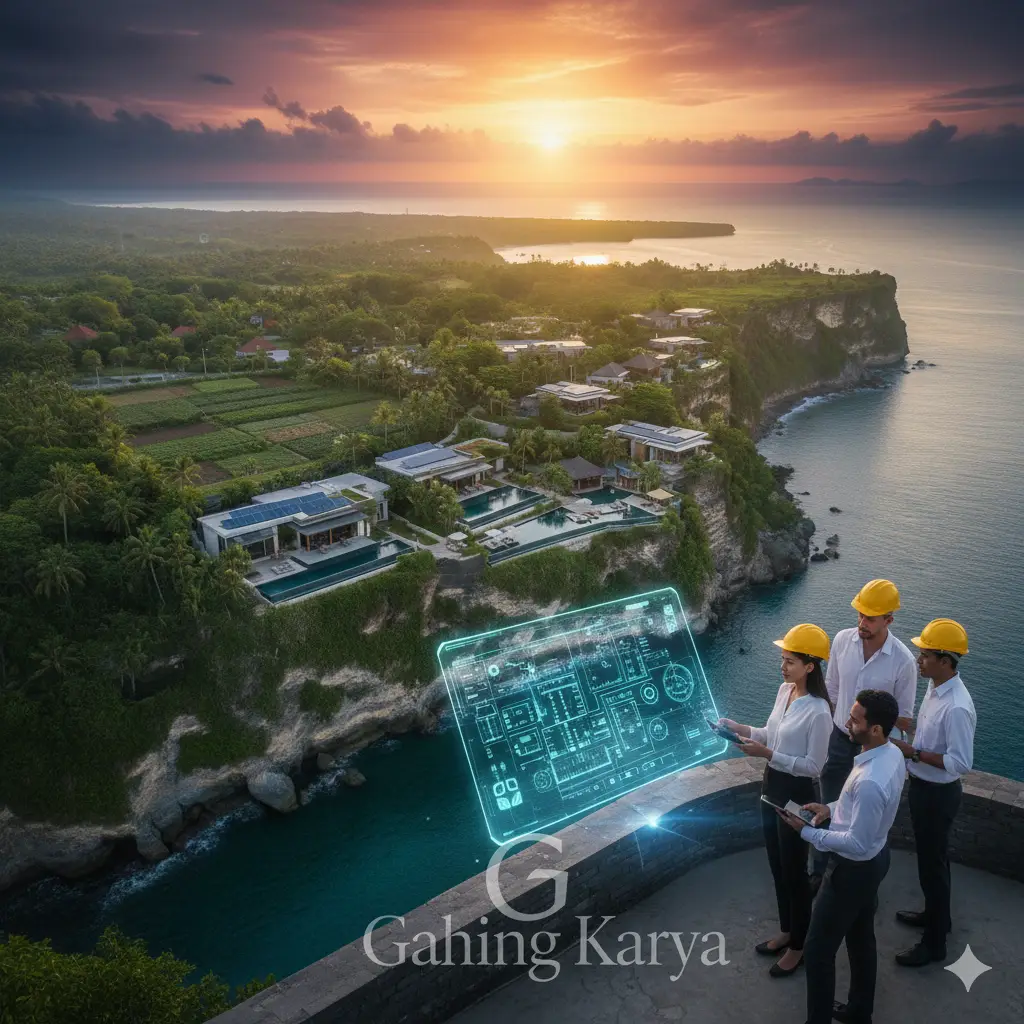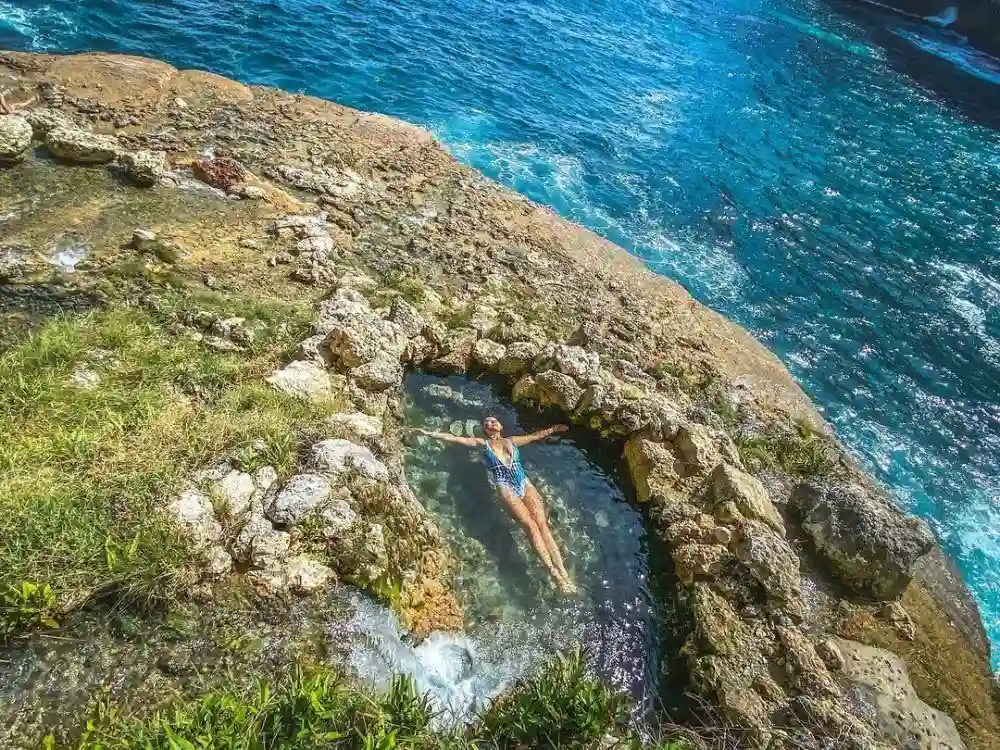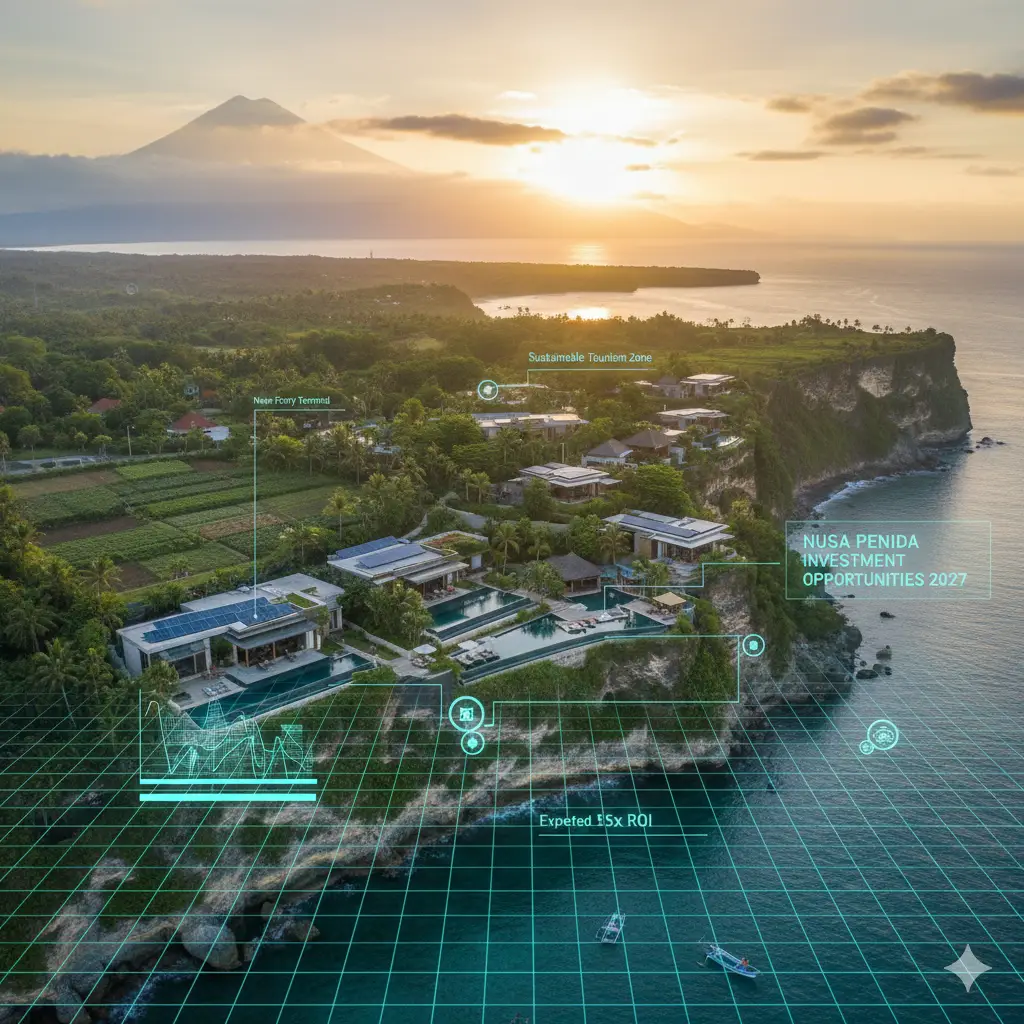
For decades, Nusa Penida has been one of Bali’s most breathtaking yet logistically challenging destinations. Located just 20 kilometers off the coast of Sanur, the island is renowned for its turquoise waters, rugged cliffs, and rapidly growing luxury villa market.
Currently, the boat ride from Sanur to Nusa Penida takes around 45 minutes on a fast boat—reasonable by island standards, but still a friction point for high-end travelers and investors envisioning premium developments.
However, the future of fast travel between Sanur and Nusa Penida is changing. With new port infrastructure, modern marine technology, and smart transportation systems underway, this short sea corridor is on track to become one of the most efficient island connections in Southeast Asia.
Smarter Ports: The Next Generation of Marine Infrastructure
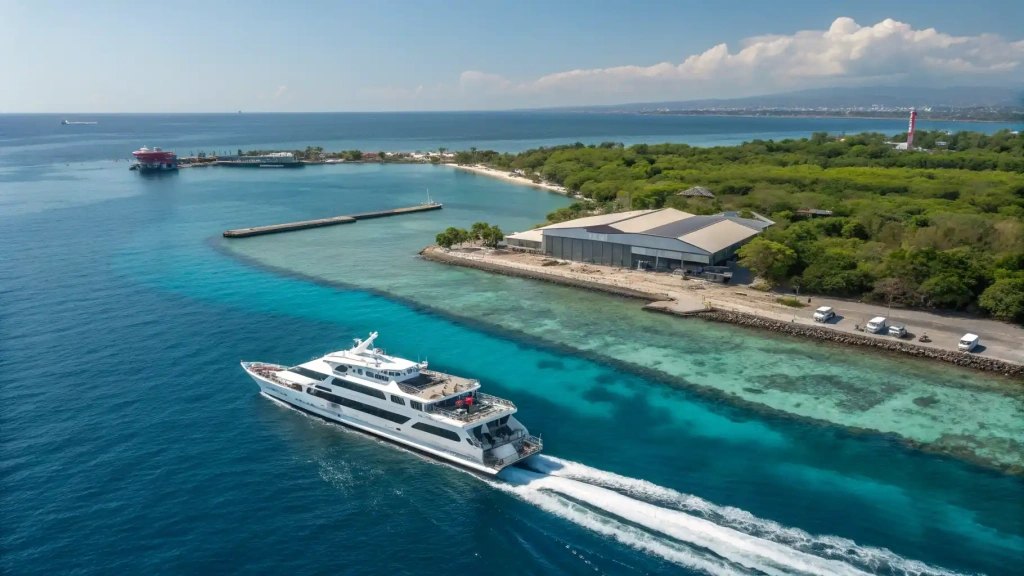
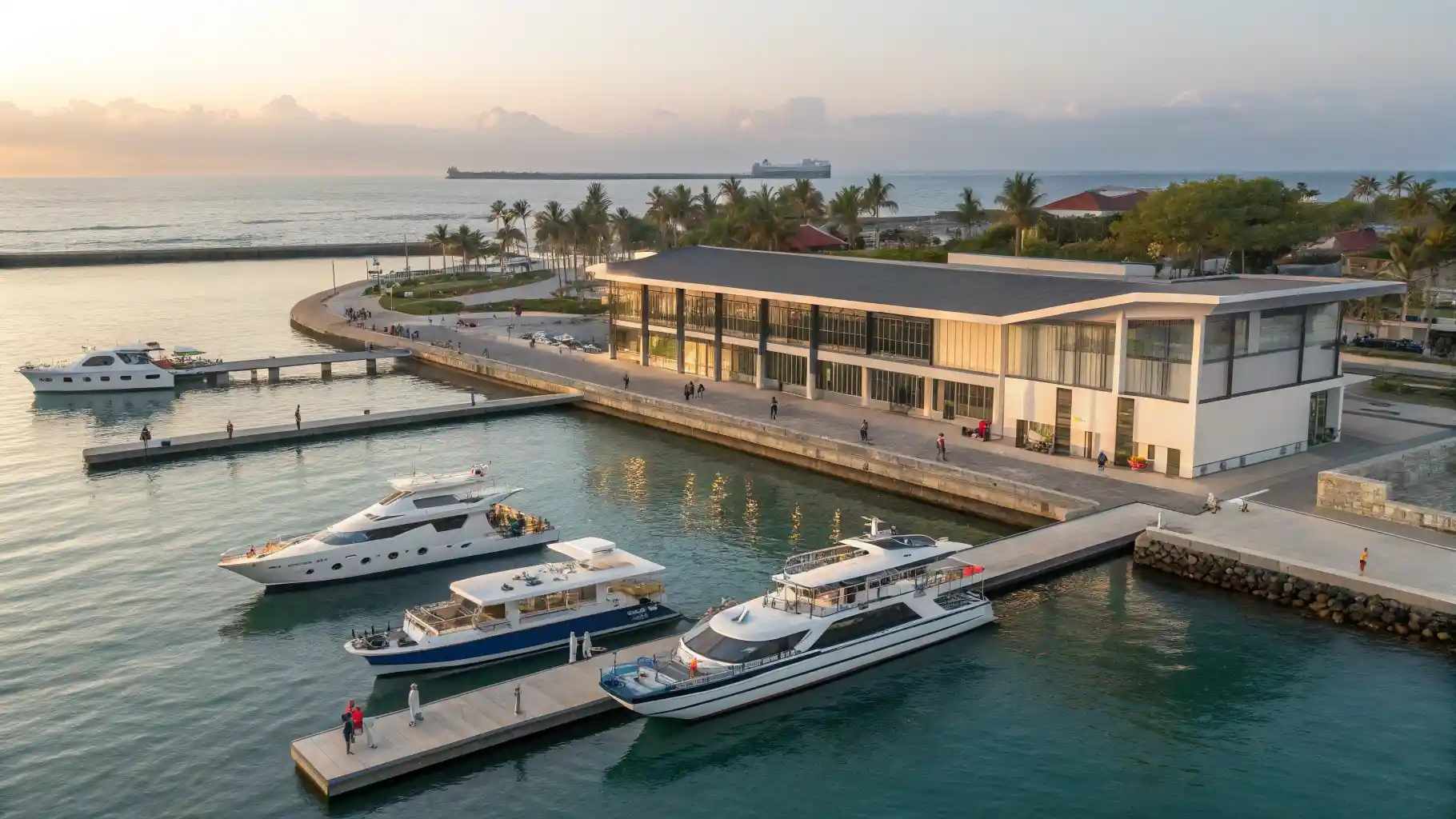
The newly renovated Sanur Port Terminal, officially launched in 2022, marked a new era of maritime connectivity in Bali. Equipped with a modern dock system, automated ticketing, and covered passenger facilities, it already cut waiting times and improved safety.
The next step is modernizing the arrival ports in Nusa Penida—Toyapakeh, Banjar Nyuh, and Sampalan. By introducing standardized docking systems and floating piers, the boarding and unloading process could be shortened by up to 15 minutes per trip.
For investors, these upgrades signal more than convenience—they represent a higher volume of arrivals and smoother logistics for villas, resorts, and private hospitality projects.
Faster Boats and Greener Technology
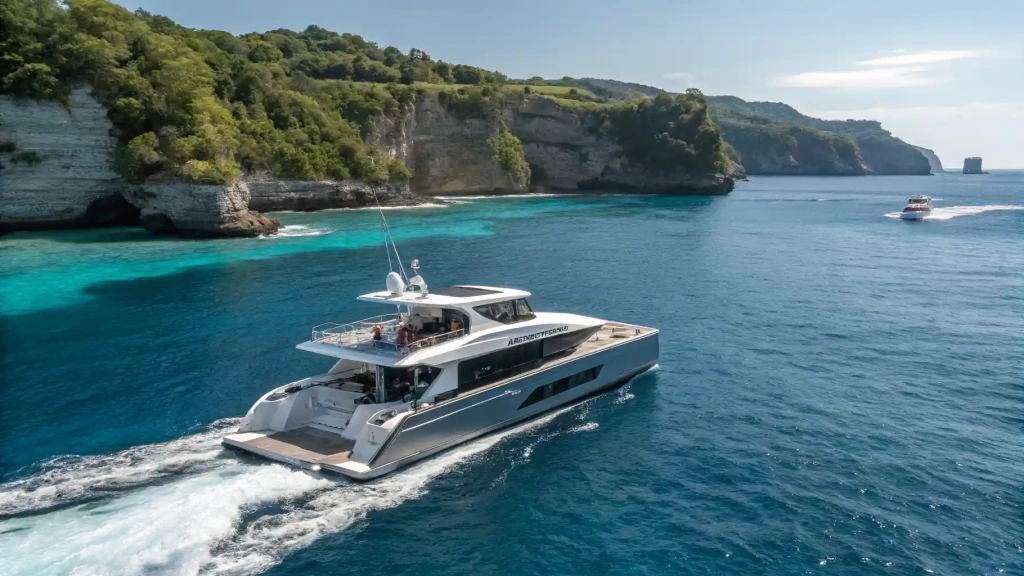
The next wave of transformation will come from high-speed catamarans—lightweight aluminum vessels equipped with twin-engine systems that can cut travel time from 45 minutes down to 25–30 minutes.
Several local operators are already exploring hybrid and electric-powered vessels, following global sustainability trends seen in Norway and Japan. These vessels are not only faster and quieter but also align with eco-luxury branding that international travelers increasingly demand.
For investors focused on premium hospitality, supporting or co-developing eco-marine transport solutions presents an opportunity to stand at the intersection of tourism and green innovation.
Integrated Marine Transport Systems
Imagine a single digital platform where travelers can check schedules, book fast boats, arrange private transfers, and track live departure updates from their phones.
This concept—an Integrated Marine Transport App for Bali and Nusa Penida—is currently in discussion among several stakeholders. It would streamline operations, reduce queue times, and allow real-time coordination between multiple boat operators.
For developers, this kind of smart ecosystem means predictable logistics, reliable guest transfers, and seamless travel experiences, essential for maintaining high service standards in luxury villa rentals and resorts.
Looking Ahead: Air Shuttles and VIP Connectivity
In the longer term, Bali’s private aviation sector is eyeing helipad-to-helipad transfers between Sanur and Nusa Penida, cutting travel time to under 10 minutes.
Helicopter and eVTOL (electric vertical take-off and landing) routes could serve premium guests staying in exclusive cliffside villas or five-star eco-resorts, opening a new niche of ultra-luxury, high-frequency access.
Such developments would redefine Nusa Penida from a remote getaway into an elite, easily accessible island destination—a magnet for high-value property investment and hospitality ventures.
The Investment Outlook
With improving accessibility, Nusa Penida’s land value and tourism potential are accelerating. Areas near Toyapakeh and Crystal Bay are already seeing early investment interest from boutique resort groups and villa management companies.
Faster travel means higher guest turnover, more attractive logistics for construction materials, and ultimately stronger ROI potential for investors. As connectivity improves, Nusa Penida is evolving from a hidden paradise into Bali’s next premium satellite island—similar to how Koh Samui complements Phuket in Thailand.
Conclusion
The future of travel between Sanur and Nusa Penida is not just about speed—it’s about efficiency, sustainability, and opportunity.
For forward-thinking investors, these infrastructure and technology upgrades present the perfect timing to enter a market on the rise. As travel becomes faster and more reliable, Nusa Penida is set to become one of the most valuable tourism and villa development frontiers in Indonesia.